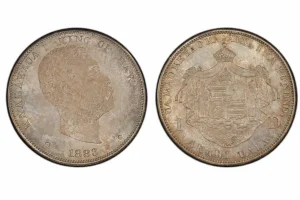
The 1000 Dollar bill is a unique item because it stopped being printed many years ago and does not move around in normal money use.
The last time people printed these bills was in 1945, marking the start of the final run.
In 1969, the Federal Reserve System officially stopped letting people use them and began taking them from banks, removing them from public circulation.
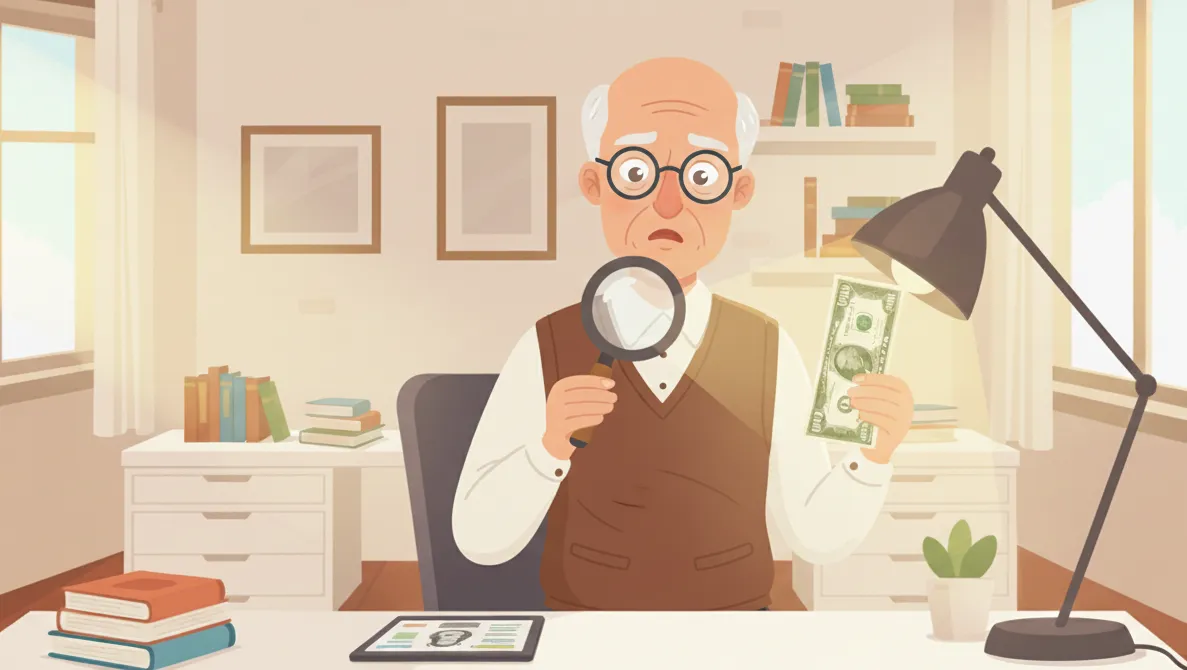
Today, a real $1000 bill has collector’s value, often being worth many times more than its simple face value. Because of its big value, it often becomes something people try to copy, causing many fake bills to appear on the market.
Checking if a bill is real requires a person to focus on the special paper and printing features that US money from that time had.
Modern safety elements, like plastic strips or ink changing color, are not found on these old bills, making the classic features the only points of study.
Material and Texture
Checking the bill always starts with touching it, giving a feel for its material.
The paper used for printing US dollars is not common, differing greatly from everyday office supplies.
It is made from cotton and linen mixed together, creating a strong and lasting material.
There is no wood pulp in the paper, preventing the bill from easily tearing or wearing out.
This mixing makes it very strong, resisting damage from light bending, and gives it a special crisp sound, making it hard for fakes to copy at home.
- The bill should feel quite strong, not falling apart from slight bending or folding.
- The linen part gives the paper its special firmness and the feeling of cloth, helping it last longer.
- Real dollar paper does not shine when held under UV light, showing the quality of the material. If the bill glows bright blue or yellow, it is likely fake, showing it has optical brighteners used in normal office paper.
Special Fibers in the Paper
Tiny red and blue fibers are placed inside the paper structure of real bills printed before 1969, and of course, may determine the bill and coin value.
These fibers are not just ink printed on the top, but are clearly part of the paper material itself.
- Fibers in the structure should be spread all over the bill randomly, not forming a perfect, machine-made pattern.
- Fiber color shows clear red and blue colors, looking sharp and distinct.
- You should see the fibers with your normal eyes, but you cannot pull them out or separate them from the paper, confirming they are woven into the material.
Fakes often copy the fibers using simple printing, causing them to look flat, not showing the three-dimensional depth of real fibers.
Intaglio Printing Method
The main safety method for old US money is intaglio printing, also known as deep printing.
This method uses a lot of pressure to push the ink into the paper, making the print last longer. The ink sits a little above the surface, giving the bill a special feel.
- Running your finger over the portrait of Grover Cleveland and the frame of the bill, you should feel a small roughness or raised texture, noticing this especially on bills with little wear.
Fakes, made using simple offset or digital printing, will feel perfectly smooth, lacking the texture of real engraving.
- The inks used have a special formula, resisting fading from light and resisting rubbing off from use.
Checking the Portrait and Engraving
The face of the $1000 bill shows the portrait of the 22nd and 24th US President, Grover Cleveland.
The portrait is the central element for checking if the bill is real, containing many fine details.
- The picture of the face must appear extremely clear, not showing any blurring or spots.
- When using a magnifying glass or a coin identifier app free, you will see that the shadows on the president’s face and hair are made by thin, unbroken parallel lines, not by small dots or a rough grain.
- Changes from light parts to dark parts, like on the collar or clothing folds, must be smooth, reaching the effect only by how dense the lines are, not by using simple shading. In fake bills, these parts often look smeared or are made of rough dots, failing to show the detail of the engraving.
- Around the portrait, a complex design is present, making the bill hard to copy quickly. All the lines of the design must be equally clear, not running together even in the thinnest places.
Serial Numbers and Seals
Every bill has serial numbers and seals, acting as necessary indicators of being real.
The color of the seals changes based on the bill type, for example, being different for a Federal Reserve Note or a Gold Certificate.
On Federal Reserve Notes from the 1928, 1934, and 1934A series, the Treasury seal and the serial numbers are printed in a specific green color.
Gold Certificates, being an older series, had a gold seal. Fake bills might use the wrong shade of green, looking dull or too bright.
- This seal is on the right side of the portrait. It shows scales, a key, and a shield, all of which have special meaning. Everything inside the seal must be done with great detail, showing the skill of the engraver. The small teeth around the seal’s edge are quite telling, needing to be sharp and regular.
They sit on the left and right of the portrait, acting as the bill’s unique ID.
The numbers must have a unique style, belonging only to the Bureau of Engraving and Printing.
All numbers in the series must stand perfectly straight, not moving up or down or side to side, showing machine precision.
The color of the serial numbers always matches the color of the Federal Reserve Bank seal, which is green.
- A round black seal of the Federal Reserve Bank sits on the left of the portrait, naming the issuing bank.
- Inside the seal, a letter and number show the specific Federal Reserve Bank, for example, A1 for Boston or L12 for San Francisco.
- These symbols need to be clear and match the bank info on the bill exactly.
Back of the Bill Details
The back of the $1000 bill is known for its complex design, also done using intaglio printing.
This complex pattern makes the bill harder to fake using simple methods.
- The whole back side has a complex, balanced geometric grid and curls, requiring skill to reproduce. Real bills show very thin, clear lines, avoiding breaks or merging, even where lines cross.
- The words “ONE THOUSAND DOLLARS” must be printed perfectly, showing clear space between all the letters.
- The back side of the 1934 $1000 bill and other reserve notes has a deep, non-shiny green color, looking rich and solid.
Known Examples and Historical Series
For a correct check, you should compare the bill you have with known real examples from the same year and series.
Not all $1000 bills look the same, changing over time. Knowing which series your bill belongs to is needed for accurate checking.
- Bills printed before 1928 were bigger than modern bills. They had a different look and often a different person’s portrait. If you find one of these, you need to check it using other catalogs, showing the changes in design.
- Most bills printed after 1928 have the familiar size and the design showing the Cleveland portrait.
At the bottom right and left corners, the signatures of the US Treasurer and the Secretary of the Treasury should be present.
These signatures changed depending on the printing year, requiring a check against historical records.
You must check if the signatures on your bill fit the exact time it was printed, providing another layer of checking.
The Hardness of the Final Check
Even with all the ways to check it yourself, only a trained money expert can give the final word on whether a $1000 bill is real.
The reasons for this need for expert advice include:
- Bills being over 80 years old may show signs of wear, yellowing, or stains, sometimes hiding real signs or wrongly suggesting it is a fake.
- People making fakes might use chemicals to make them look old, trying to get the right texture and color.
- A real bill’s value in the market can reach many thousands of dollars. The risk of losing money from checking it incorrectly yourself is too big, so you need professional help.
Final Step
If you think the bill is real, do not try to clean it, do not fold it, and prevent any damage to the material.
Keep it in a safe plastic sleeve, protecting it from the outside environment.
To confirm it is real, you should talk to a large coin and money auction house, specializing in rare US bills, or a government finance group having access to old currency experts.
These experts have the necessary reference equipment and experience to check the paper, ink, and engraving, following the standards from the 1930s to 1940s.